You'll learn why location-aware content doesn't just help visitors convert at the bottom of the funnel, it changes how they move through every stage of it. You'll see how a single personalization strategy can simultaneously reduce bounce rates at the top, build trust in the middle, and close more deals at the bottom.
How Geo-Personalization Changes Conversion Rates
Most marketers treat geo-personalization as a last-mile tactic. Swap the headline, mention the city, and watch conversions tick up. That's part of it. But location context doesn't just influence the moment someone decides to buy, it shapes how they move through your entire funnel. Let's break it down.
At the awareness stage, location stops the bounce
The top of the funnel has one job: keep the visitor on the page long enough for your message to land. Forty percent of users don't scroll below the fold. Most pages fail before they ever get the chance. Someone arrives, scans the headline, decides it isn't for them, and leaves. The whole interaction takes under five seconds.
Location and localization is the fastest trust signal you have. A headline that reflects a visitor's region creates an immediate moment of recognition, a simple thought. This page knows something about me. That's enough to earn the next scroll. GeoFli customers see a 30% increase in time-on-site once the website personalization is running, and that number starts at the top of the funnel, not the bottom. Visitors who would have bounced in three seconds stayed because the page felt like it was written for their world, not the world in general.
Instead of targeting someone as broadly as "a Chicago visitor," you can draw a ring around a specific storefront, service area, or event and deliver a tailored experience to anyone landing from inside it. A visitor two blocks from your location and a visitor an hour away are technically in the same city. Radius targeting knows the difference, and so does your conversion rate.
At the consideration stage, relevance builds the case
Getting someone to stay is one thing. Getting them to lean in is another. So how does that work? The consideration stage is where visitors are actively evaluating. They are reading testimonials, comparing options, and deciding whether your product fits their situation. This is where generic content does the most damage.
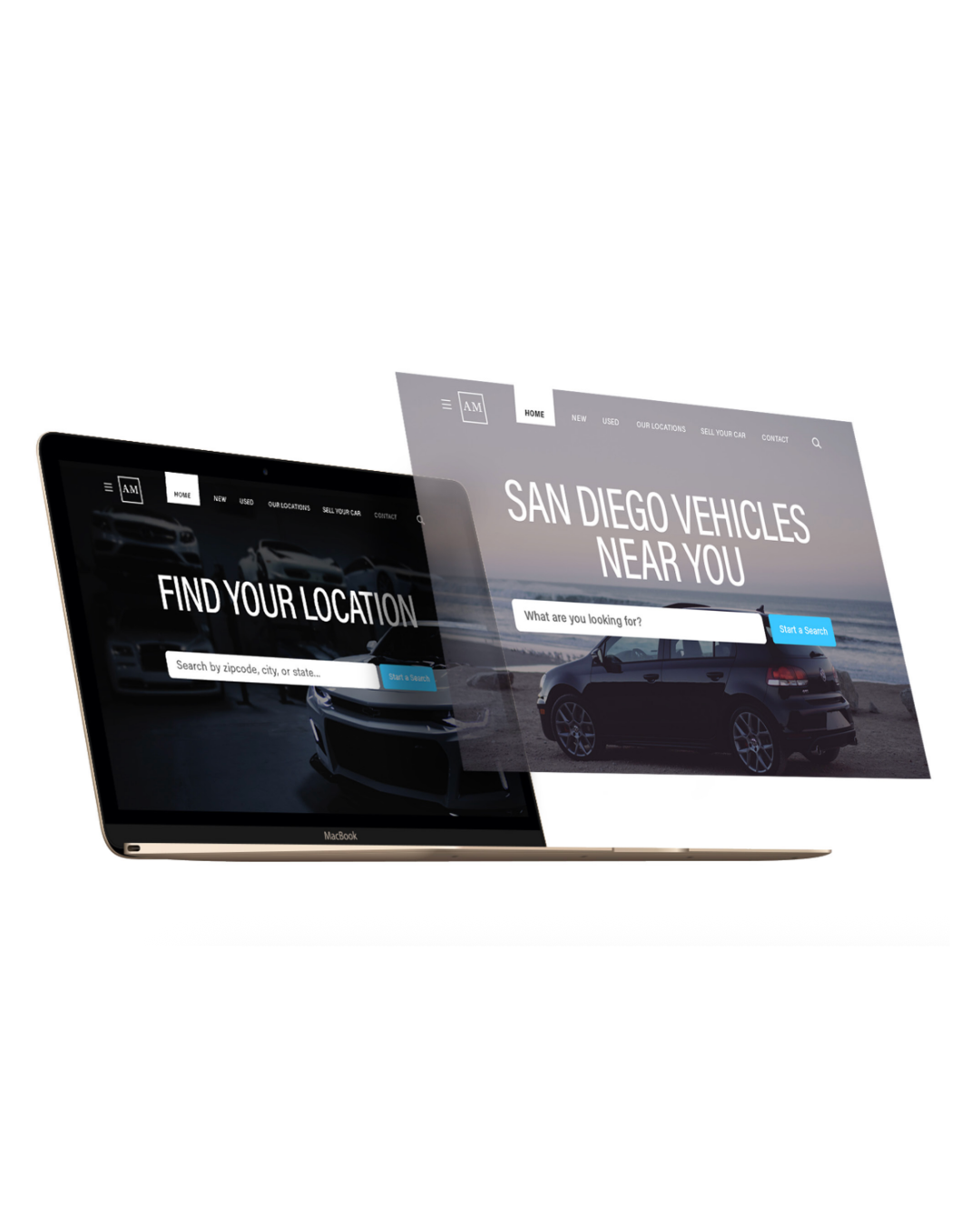
A testimonial from a customer in the same city lands differently than a generic five-star review. A case study from a recognizable industry in their region feels more credible than one from a market they've never heard of. An image that reflects their environment, seasonal, regional, and cultural, feels intentional rather than accidental. None of these changes alter your offer. They alter how important it feels to the person evaluating it.
GeoFli lets you swap body copy, testimonials, images, and supporting content by location, which means every element a visitor uses to build their case for buying can be tuned to the market they're in. The result shows up in pages-per-session, which GeoFli customers see increase by 25% for geo-personalized content. A visitor exploring more of your site is a visitor who is convincing themselves, not looking for a reason to leave.
At the decision stage, specificity closes
By the time a visitor reaches the bottom of your funnel, they've already decided they're interested. What they're looking for now is confirmation that this is the right choice for them specifically. Not for some average customer in some average market.
This is where the CTA does the work. "Book a consultation" is fine. "Book your Austin consultation" is better. Not because it's more clever, but because it's more specific. Specificity signals that the next step was built for them. That removes the last small friction point standing between a visitor and a conversion. Personalization consistently shows that relevance is one of the primary drivers of user trust online, and trust is what closes.
UTM parameters extend this precision through paid campaigns. When a visitor clicks a geo-targeted ad and lands on a page that matches the ad's promise, same city, same offer, same language (hello continuity), the momentum carries through.
The compounding effect across all three stages
Here's what makes geo-personalization different from most conversion tactics: it doesn't just improve one metric in isolation. A visitor who doesn't bounce at the top is more likely to engage in the middle. A visitor who engages in the middle is more likely to convert at the bottom. Each stage feeds the next, and location relevance is doing work at all three simultaneously.
That compounding effect is why the numbers look the way they do. A 30% lift in time-on-site and a 25% lift in pages-per-session aren't independent wins. They're the upstream evidence of a funnel that's finally working the way it was supposed to. More visitors are making it further. More consideration is happening. More decisions are going the right way. HubSpot's research on personalization reinforces this: personalized calls-to-action perform 202% better than generic ones.
One page, tuned for every market
The old approach was to build separate landing pages for every city, every region, every campaign. It created a maintenance problem that most teams couldn't sustain, and still didn't solve the relevance problem for visitors who didn't fit neatly into a predefined bucket.
GeoFli layers directly over your existing site, no page rebuilds, no developer required, no CMS overhaul. You identify your highest-traffic page, pick three elements to personalize, set your first location rule, and publish. A live, location-aware experience across the entire funnel, usually in under an hour.
The brands converting at the highest rates aren't the ones with the most pages or the biggest content teams. They're the ones who figured out that a smarter single page, one that speaks differently to Austin than it does to Boston, to a visitor two miles from your door than to one across the country, beats a hundred generic ones every time. Schedule a demo with GeoFli and see what that looks like for your funnel.
Thank you! Your submission has been received!
Oops! Something went wrong while submitting the form.
What AI Crawlers and Googlebot See When Your Website Is Personalized
You'll learn what Googlebot and AI crawlers actually see on a personalized page, why your default content matters more than most people expect, and how to personalize a site without anything that resembles cloaking.
You'll learn what happens in the seconds after a searcher clicks your ad, how Google grades the page they land on, and why matching that page to what they typed can lower your costs and bring in more leads.
You'll learn what a geo-targeted sticky banner does, why persistent placement outperforms static content, and how GeoFli lets you show the right message to the right visitor without touching your website's code.